 Loading... Please wait...

Blog
Recent Posts
What is Platinum?
Posted by on
What is Platinum?

Platinum is a dense, grey-white metal. Like gold, it is an element, like helium. Except if you put platinum in a balloon, it will not float. But you would have a lot of platinum. It lives right next to gold on the periodic table, number 78. It is very ductile, and malleable like gold, is alloyed with other metal to make it jewelry friendly, and it costs almost the same. But that is where the similarities end.
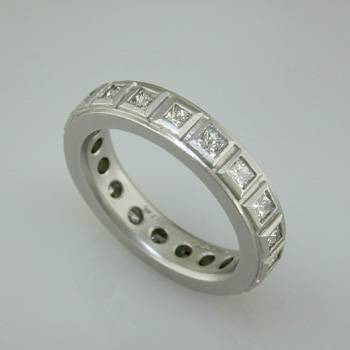
Pure platinum melts at 3215 degrees Fahrenheit, and gold at 1915. Those are crazy hot temps, but platinum is much tougher to melt. The most traditional platinum alloy is 90% platinum, 10% iridium. More common today, though, are 95% platinum alloys. The most widely used alloy metal is ruthenium. However, the quality stamp on the piece will usually only read 90/10, 900, or 950, without indicating which alloy was used.
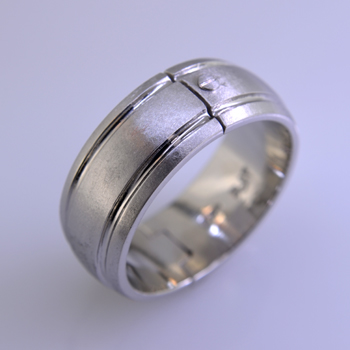
So why does a platinum ring cost so much more than a gold ring? Well, several reasons. First, most gold rings are 14k, or 58.5% pure gold, and platinum is 90-95% pure. So assuming a similar per ounce market price (as they are today), the platinum ring will be more costly. Second, the manufacturing process to make a platinum ring is much more labor intensive. (It is more difficult and takes longer.) Polishing compounds are more expensive, and separate tools must be used, only for platinum, as it is easily contaminated with other metals. It’s sticky! One of the benefits, as it holds gems, and diamonds like no other metal.
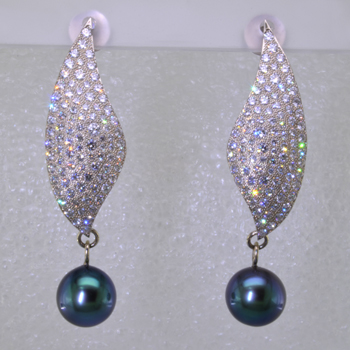
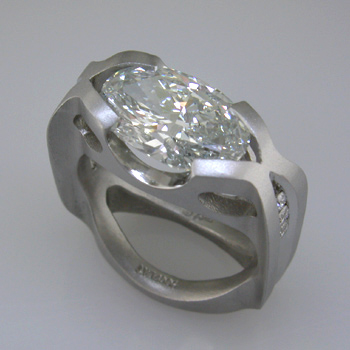
Speaking of benefits, platinum is a great choice for jewelry, and was the primary white metal used prior to World War II. It needs no rhodium plating like most white golds, it bends without breaking (and bends back), and it feels great. Like buttah!
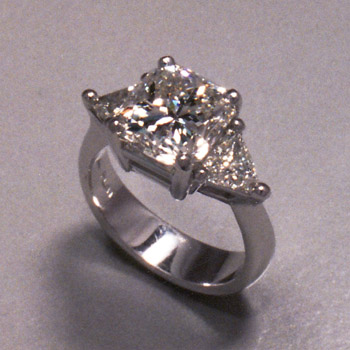
Is it the best choice for jewelry? Well, not always. A lot of your decision will be personal preference, and budget. If properly made, a white gold ring will last just as long as a platinum ring. However nothing will feel quite like platinum. But just because it is platinum, does not mean it is better. It still has to be properly made, and properly treated. It is not gold, and most jewelers who work with gold use improper techniques with platinum. How do I know? 40 years of seeing it first-hand. So, how do you know if something is properly made, or not? I’m going to tell you, of course! In my next blog post, though. This one is about platinum, remember?
As always, if you want to know more, I know more. Please feel free to leave your comments and questions. You can do that here.